Sustainable Kitchen Renovations: Eco-Friendly Choices For Cairns Homes
Brian Long Cabinets • December 23, 2025
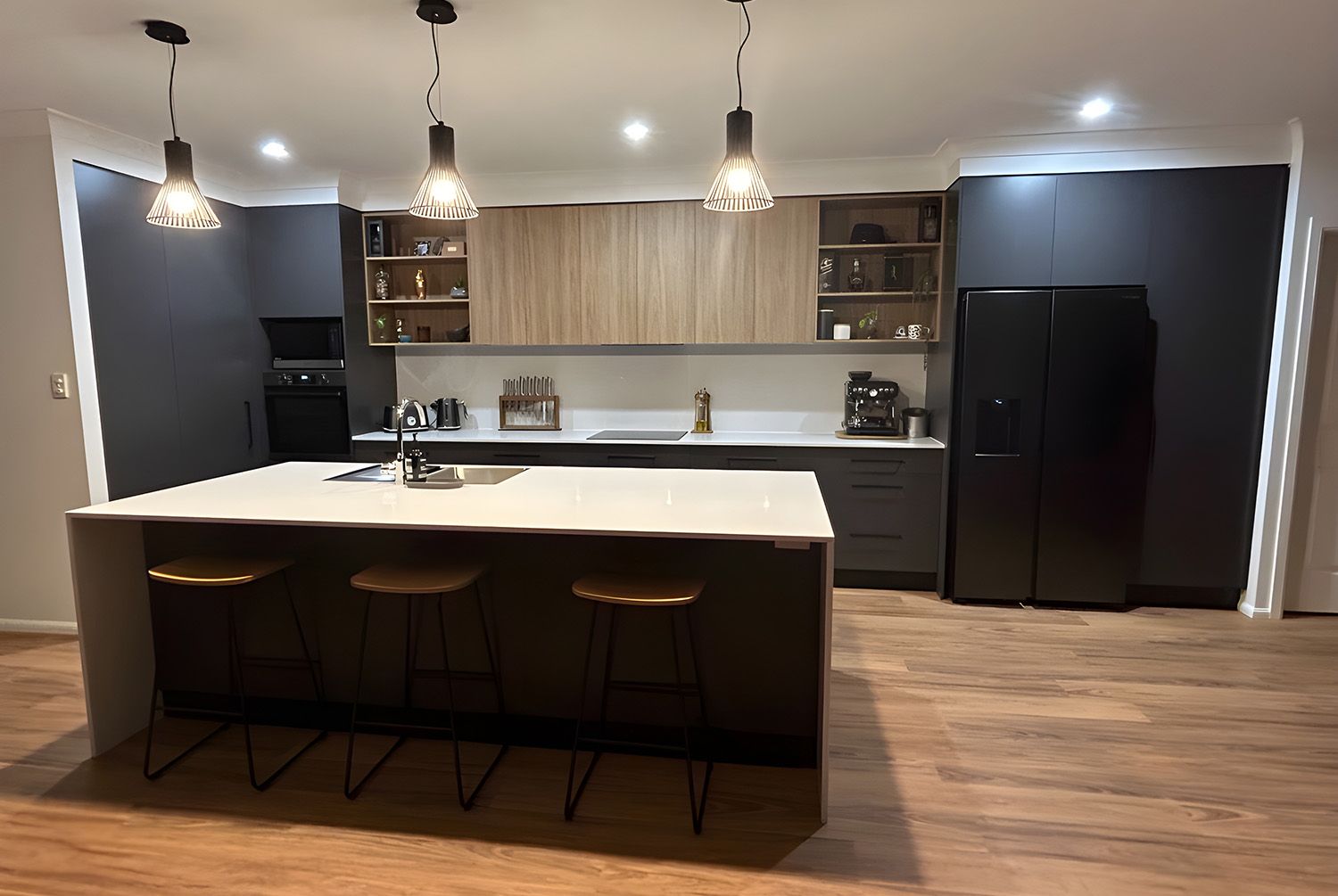
Sustainability has become an essential consideration for many homeowners, especially those wanting a kitchen that feels modern, functional and environmentally responsible. When planning a kitchen renovation, choices around materials, layout and design directly influence long-term environmental impact. Eco-friendly kitchens are not just about selecting “green” products, they’re about building a space that lasts longer, uses fewer resources and supports healthier day-to-day living. For homeowners pursuing a kitchen renovation in Cairns, sustainability also means selecting materials and construction methods that handle local conditions while reducing waste and improving energy efficiency.
A sustainable kitchen combines thoughtful design with durable products and smart, low-impact choices. From cabinetry finishes to benchtop materials and storage solutions, each component contributes to a home that is comfortable, efficient and better for the environment.
1. Choosing Sustainable Cabinetry Materials That Reduce Environmental Impact
Cabinetry is one of the largest elements in any kitchen renovation, making material selection a critical part of building a more sustainable space. Eco-friendly materials not only reduce environmental harm but also provide long-lasting performance. Cabinetmakers help homeowners navigate the wide range of options available, ensuring they choose materials that are both durable and responsibly sourced. This thoughtful approach ensures the kitchen is built to last while supporting sustainability goals.
Common examples of sustainable materials include:
- FSC-certified timber that supports responsible forestry practices.
- Bamboo, which regenerates quickly and offers excellent durability.
- Recycled and reclaimed timber, ideal for reducing new material consumption.
- Low-formaldehyde or low-emission board products.
These selections contribute to healthier spaces and reduce the environmental footprint of the renovation.
2. Low-VOC Finishes and Sealants for Healthier, Greener Kitchens
The surface finish on cabinetry and joinery has a big influence on indoor air quality. Traditional paints and sealants release VOCs (volatile organic compounds), which can linger long after application. In contrast, low-VOC and water-based finishes allow cabinetmakers to protect and enhance cabinetry while keeping the home environment healthier. These products dry cleanly, smell far less and help support a more sustainable renovation. By incorporating low-VOC finishes into their process, cabinetmakers provide a safer option for homeowners who want a greener approach without compromising durability or aesthetic appeal.
3. Custom Cabinetry Designed to Maximise Space and Reduce Waste
One of the cornerstones of sustainable design is ensuring every square centimetre is used efficiently. Custom cabinetry plays a major role in creating a kitchen that is functional and waste-conscious. By designing cabinetry that fits perfectly within the existing layout, cabinetmakers eliminate the need for unnecessary fillers and reduce offcuts. This precise approach also ensures that storage areas are designed around the homeowner’s lifestyle, improving usability while preventing clutter.
Reduced waste is often supported by features such as:
- Drawers sized to suit everyday essentials and reduce unused space.
- Vertical storage that makes the most of narrow gaps and corners.
- Adaptable shelving systems that evolve with future needs.
- Integrated recycling or sorting zones that support household sustainability.
These elements help build a kitchen that supports low-waste routines and efficient daily use.
4. Energy-Efficient Layout Planning That Supports Sustainable Appliance Use
The design of a kitchen significantly influences energy consumption. Cabinetmakers who understand sustainable principles help plan a layout that complements the performance of energy-efficient appliances. By positioning appliances strategically, airflow improves, heat zones are balanced and power use is reduced. For example, spacing heat-generating appliances away from refrigeration units helps those units run more efficiently. Natural light and cross-ventilation can also be maximised during layout planning, reducing the need for artificial lighting or mechanical cooling.
A well-designed layout ensures that every element works together to support the homeowner’s sustainability goals, making the kitchen easier and more efficient to use every day.
5. Sustainable Benchtop Options That Balance Durability and Eco-Friendliness
Selecting the right benchtop is a major decision in any kitchen renovation, and it plays a significant role in long-term sustainability. Many modern benchtop materials incorporate recycled content or use low-impact manufacturing processes, allowing homeowners to enjoy durable surfaces while reducing environmental harm. Cabinetmakers help clients compare qualities such as heat resistance, longevity, water tolerance and maintenance requirements, ensuring the final choice aligns with both style and sustainability.
Environmentally conscious benchtop options include:
- Recycled composite materials made from glass or repurposed stone.
- Reclaimed timber treated with sustainable sealants.
- Engineered stone options with recycled content and low environmental impact.
- Hard-wearing laminates that use responsible manufacturing processes.
Choosing long-lasting materials also reduces the need for future replacements, supporting a more sustainable home overall.
6. Smarter Storage Solutions That Encourage Minimal Waste in Everyday Use
Eco-friendly living extends beyond the renovation itself; it includes how the kitchen supports daily habits. Cabinetmakers design storage solutions that encourage organisation, reduce clutter and make it easier to maintain low-waste routines. When items are easy to access, clearly visible and well-categorised, homeowners naturally waste less food and rely less on disposable storage. Carefully planned cabinetry supports this flow, making sustainable living more intuitive.
Thoughtful storage design also helps reduce duplicate purchases, forgotten pantry items and disorganisation; three major contributors to household waste.
7. Repurposing and Reusing Existing Kitchen Elements Where Possible
Sustainability often starts with assessing what can be reused rather than immediately replaced. Cabinetmakers frequently identify components of the existing kitchen that can be repurposed or refreshed, reducing the amount of material that ends up in landfill. Structural cabinet carcasses, shelving, internal drawers or even benchtops can sometimes be refurbished or integrated into the new design. This approach preserves functional elements while still giving the kitchen a fresh, updated appearance.
Common items suitable for reuse include:
- Sturdy carcasses that only need new doors or fronts.
- Existing benchtops that can be refinished or trimmed.
- Internal drawer systems that still operate smoothly.
- Appliances in good working order that suit the new design.
Repurposing supports cost savings and environmental responsibility, making it a key feature of many Cairns kitchen renovations.
8. Long-Term Sustainability: Building Kitchens Designed to Last Decades
A well-built kitchen is one that remains functional and appealing for many years, reducing the need for frequent renovations and material wastage. Cabinetmakers who prioritise quality craftsmanship, durable hardware and timeless design help homeowners invest in a space that stands up to everyday use. Choosing reliable hinges, strong joinery and high-performance surfaces ensures the kitchen remains steady and attractive even in high-traffic households. Long-term durability is one of the most effective ways to create a more sustainable home, making it an essential part of modern kitchen renovation planning.
We at
Brian Long Cabinets are committed to helping homeowners create environmentally thoughtful kitchens that balance long-term durability with practical design, especially for those planning a kitchen renovation in Cairns where climate, lifestyle and sustainability all play a role. Our team delivers tailored
kitchen renovations in Cairns that incorporate sustainable materials, smart layouts and quality craftsmanship. To explore eco-friendly options for your next renovation, visit https://www.brianlongcabinets.com.au/ and
book a consultation today.